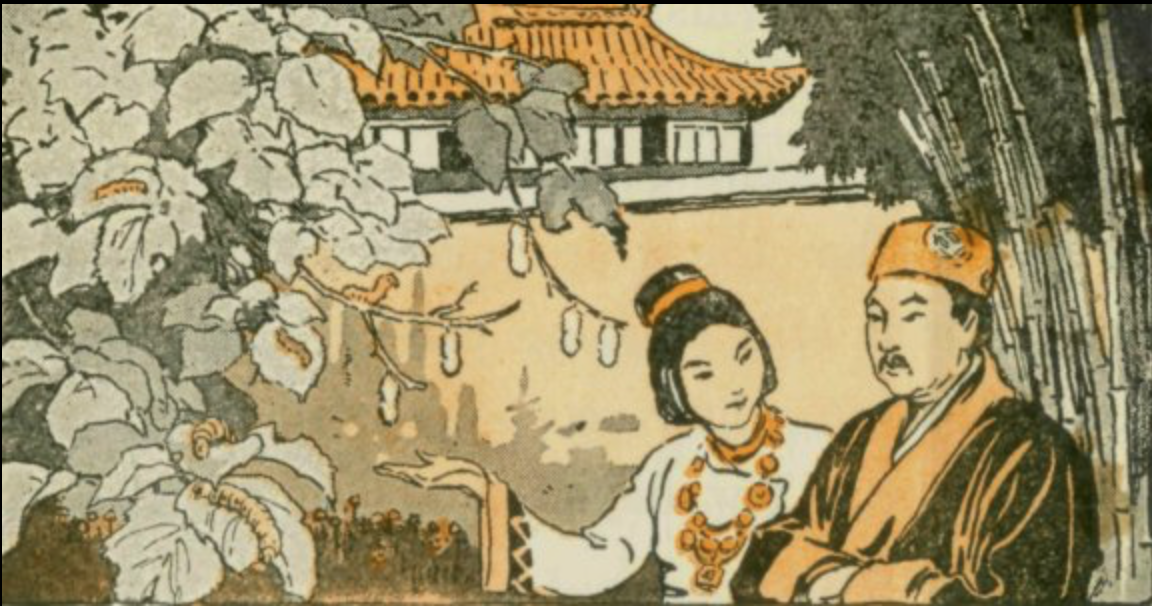
The story of silk starts in 2,700 BC when the Emperor of China Haong Ti asked his wife Empress Xi Ling Shi to find out what was causing the damage to his Mulberry trees. The legend tells that after the Empress discovered that little worms were eating the leaves she sat beneath the shade of the Mulberry trees to take her tea. A bright cocoon fell into her cup and she watched as the filament unravelled. With curiosity the Empress continued to unwind the filament and she began to spin the tale of silk which would in time wind its way around the world.
The secrets of the silkworm were fiercely guarded by the Chinese Empire and they enjoyed a monopoly on the production and trade of silk. In 1,000 BC a young man named Chang Ch’ien embarked on a journey West, charged with a secret mission to discover routes to expand China’s lucrative silk trade and he took the first steps along the trail that would become The Silk Road. 3,000 years after silk had been discovered by Empress Xi Ling Shi a young Chinese princess embarked on another journey West that was to change the history of the world as well, although she was charged with a mission to marry a prince in Khotan. The princess, who could not bare the thought of living without silken finery in her new palace, hid the tiny silkworm eggs in her elaborate hairstyle, smuggled them out of China and taught her ladies-in-waiting the secrets of silk production.
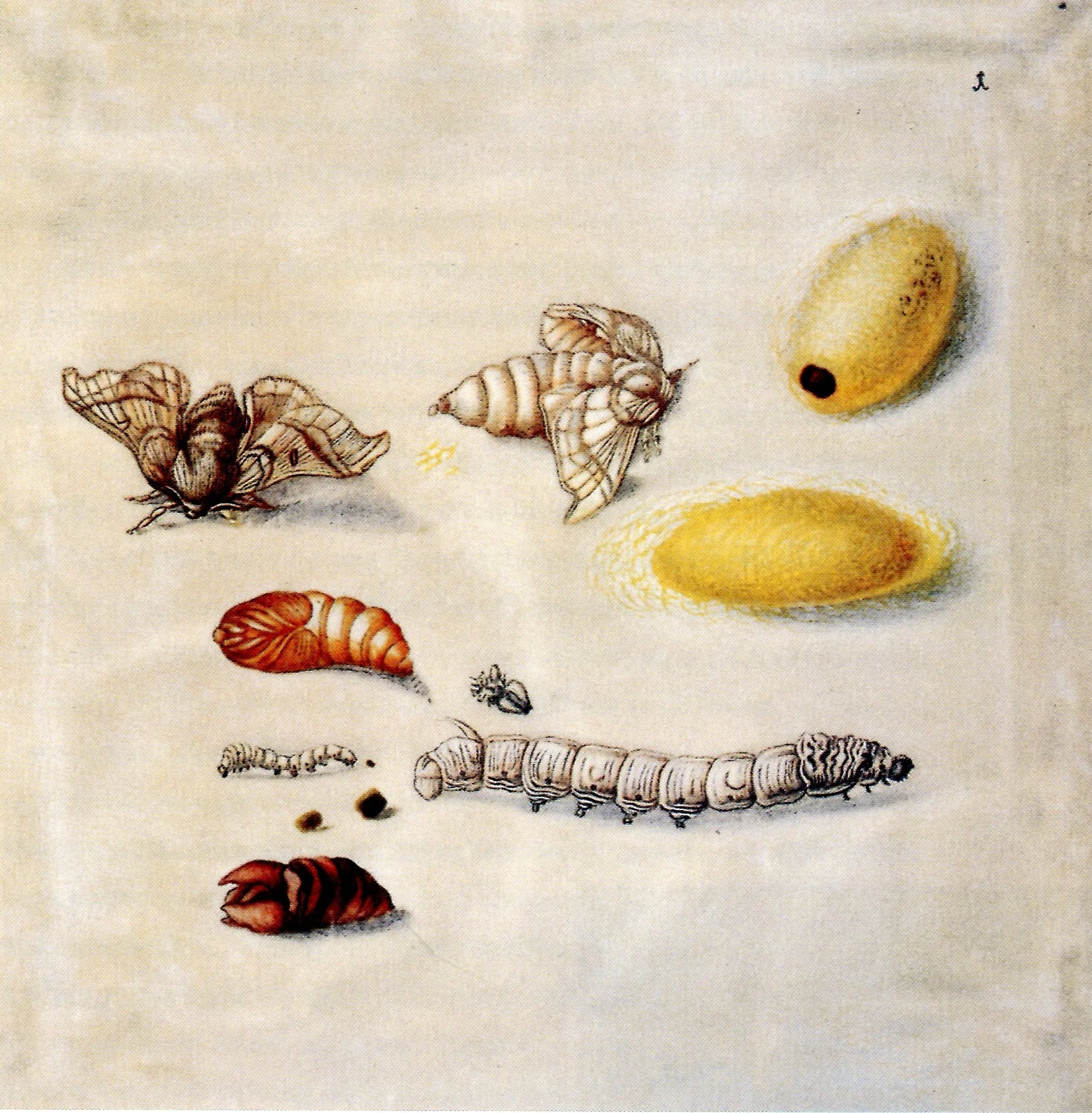
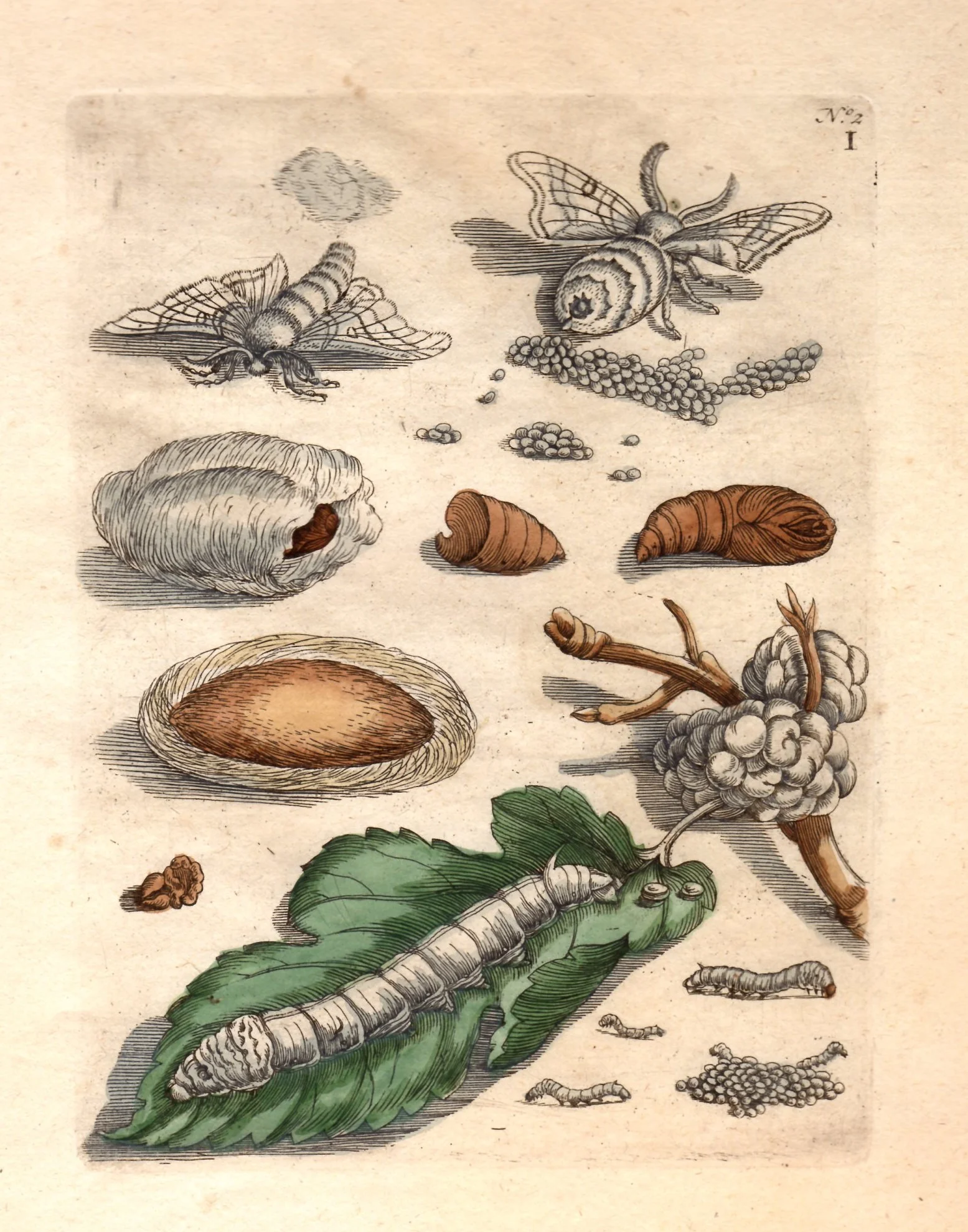
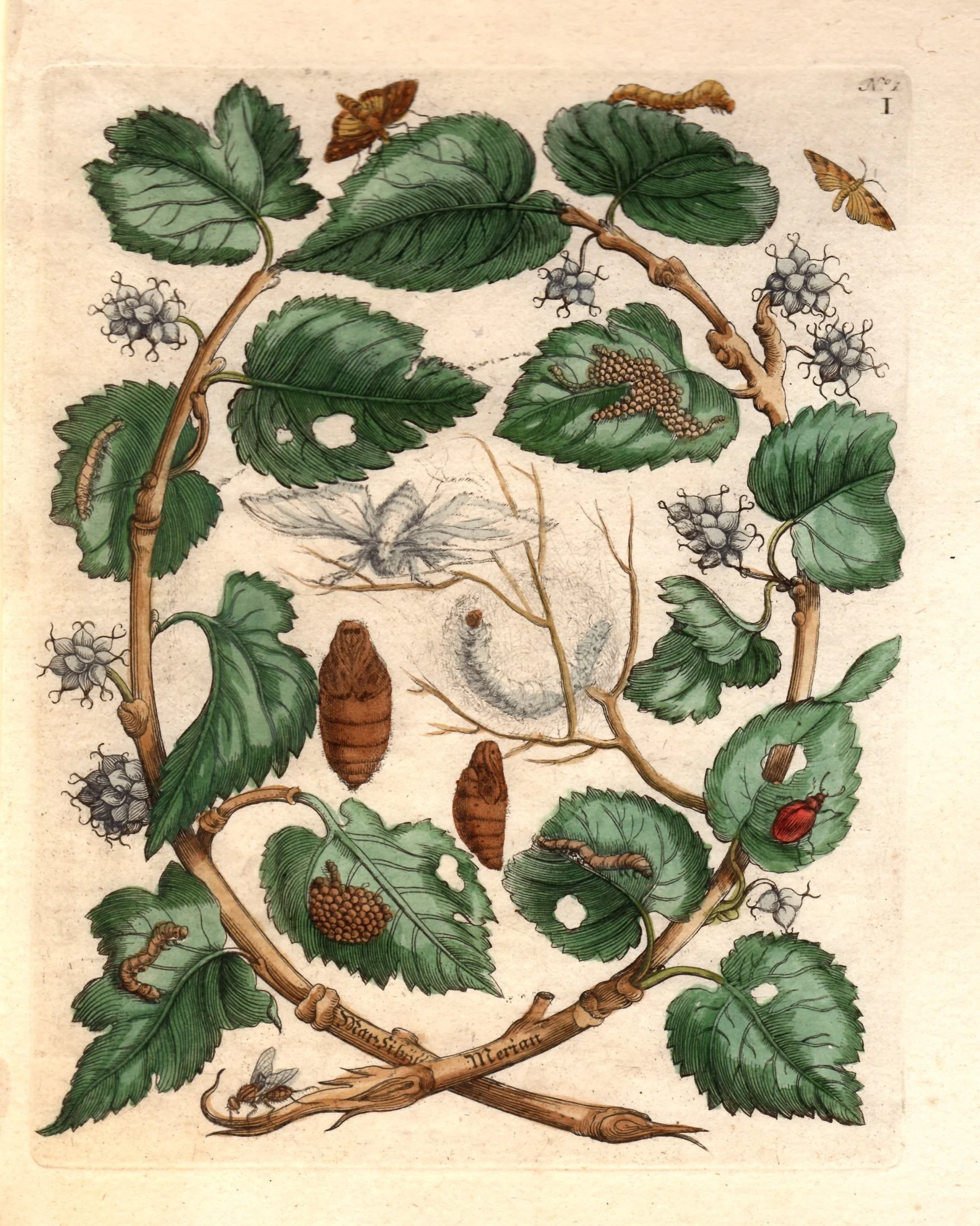
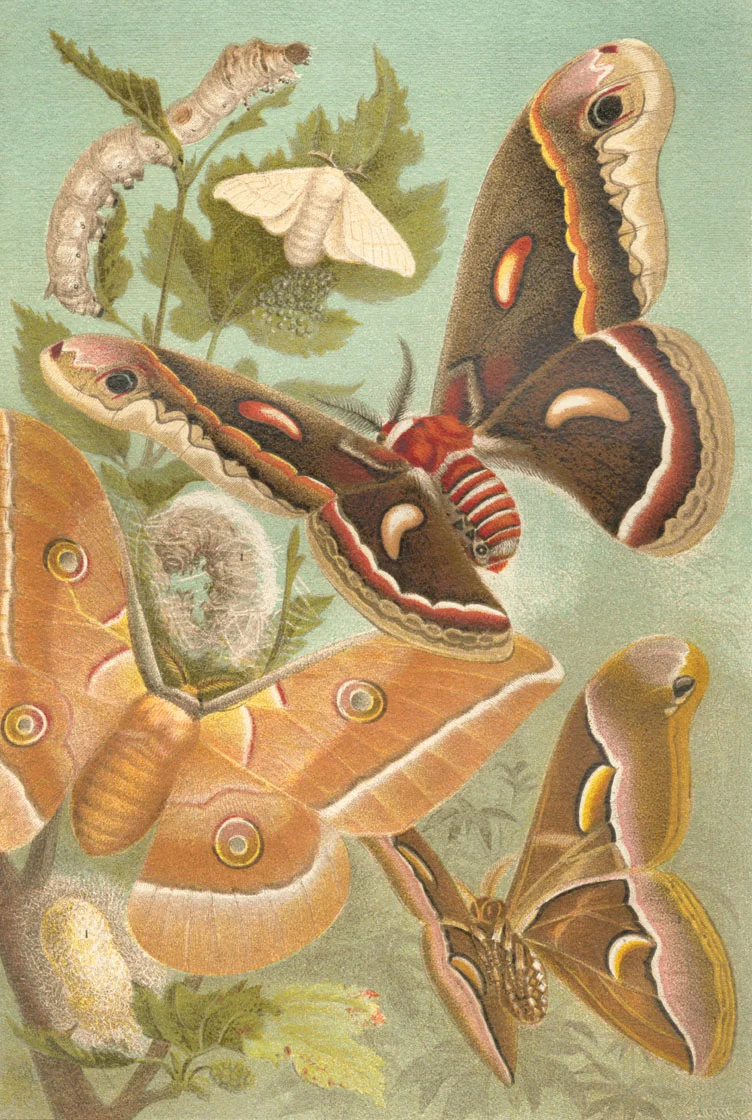
Caterpillars, Their Wondrous Transformation and Peculiar Nourishment from Flowers, Maria Sybilla Merian (1679, 1683), Bombyx mori, Hyalophora cecropia, Antheraea pernyi, Samia cynthia, Meyers Konversations-Lexikon (1885–1892)
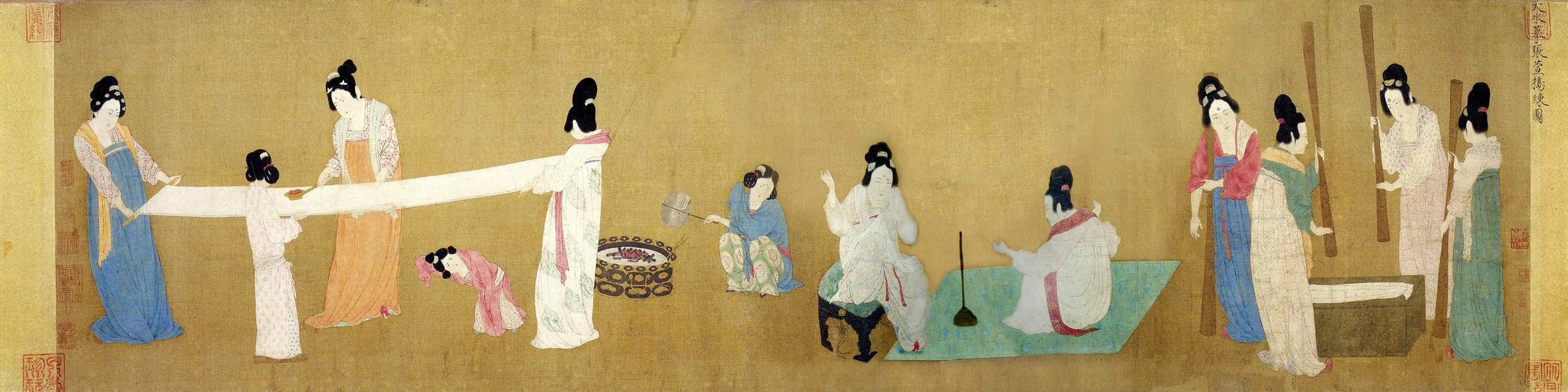
Court Ladies Preparing Newly Woven Silk, Emperor Huizong of Song, 12th century
Au Ver à Soie
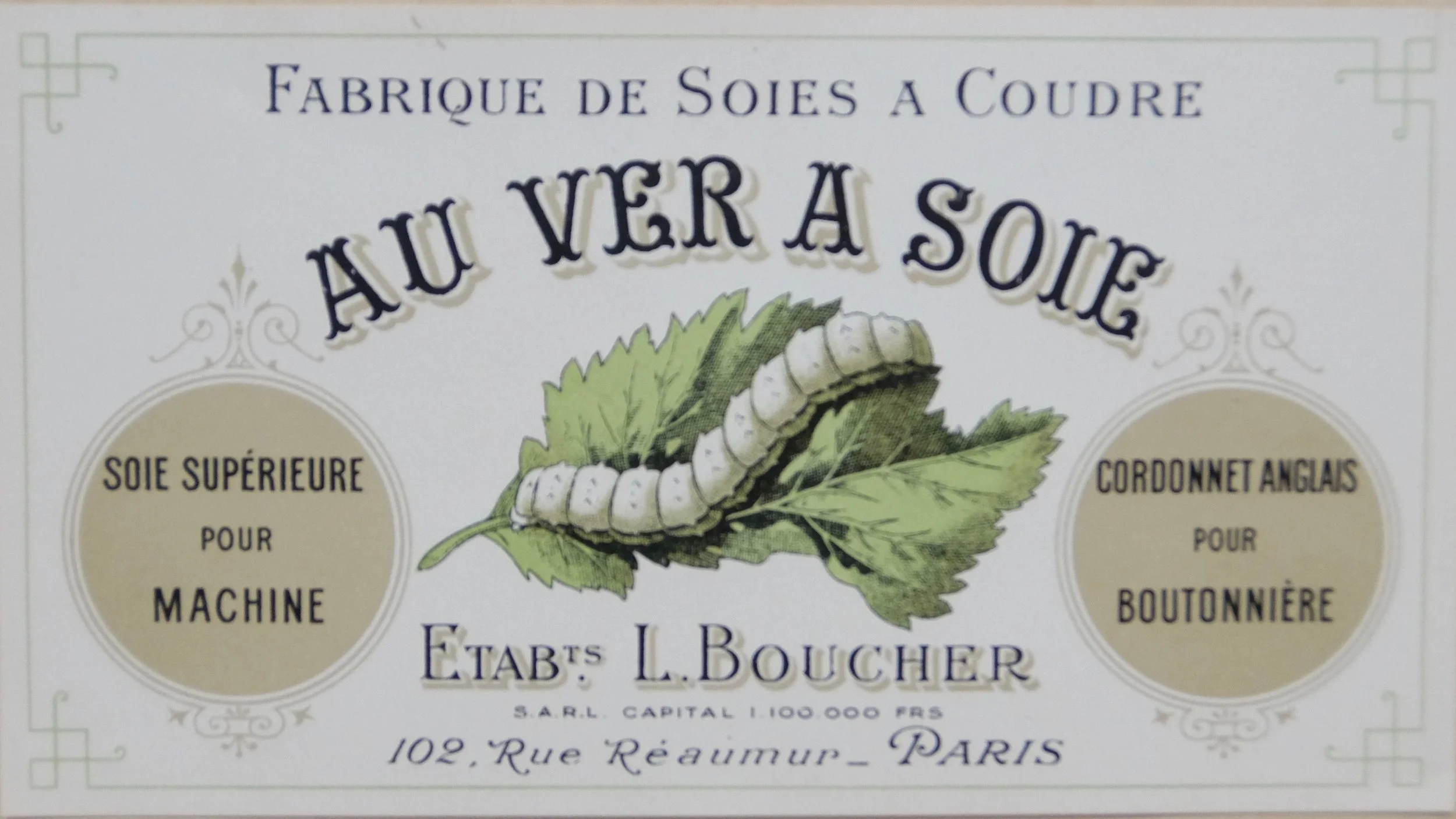
Au Ver à Soie was founded in the 2nd arrondissement of Paris in 1820, supplying silk threads for sewing, embroidery, saddlery, corsetry and fishing. By 1863, their label was registered at the Commercial Court of Paris depicting a little silk worm cradled in a mulberry leaf. La Belle Époque soon followed and the designers of Haute Couture Fashion enjoyed the patronage of the Empress Éugenie, the aristocracy and the elite of the French and European courts. The appetite for luxury and exquisite quality was insatiable and in 1878, Monsieur Louis Boucher had the good fortune to purchase Au Ver à Soie. At that time Au Ver à Soie supplied their renowned embroidery silk thread Soie d’Algers in an impressive range of 2,688 colours and sewing silk thread in a range of 780 colours, all manufactured at their factory in Boulogne-Billancourt.
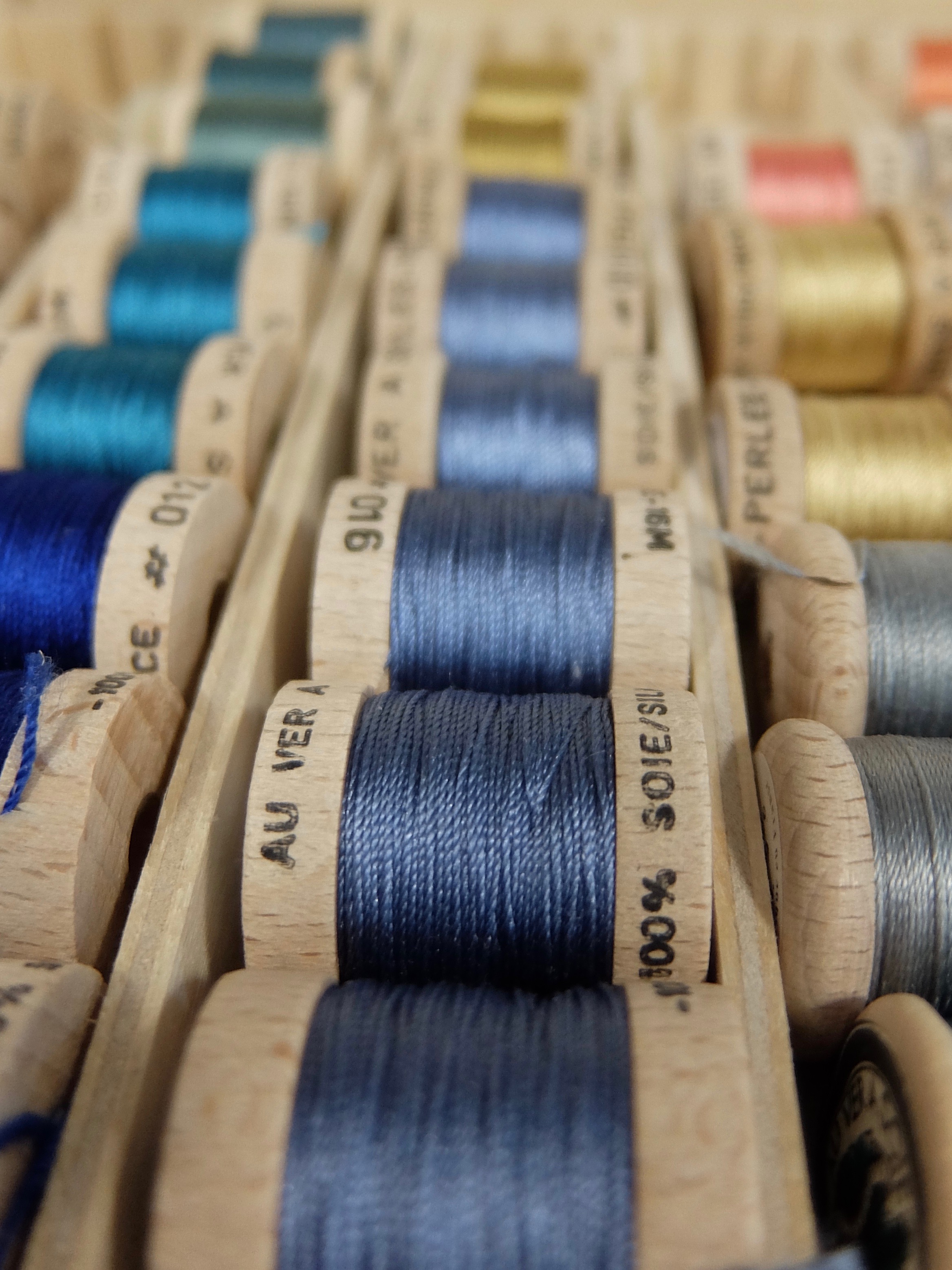
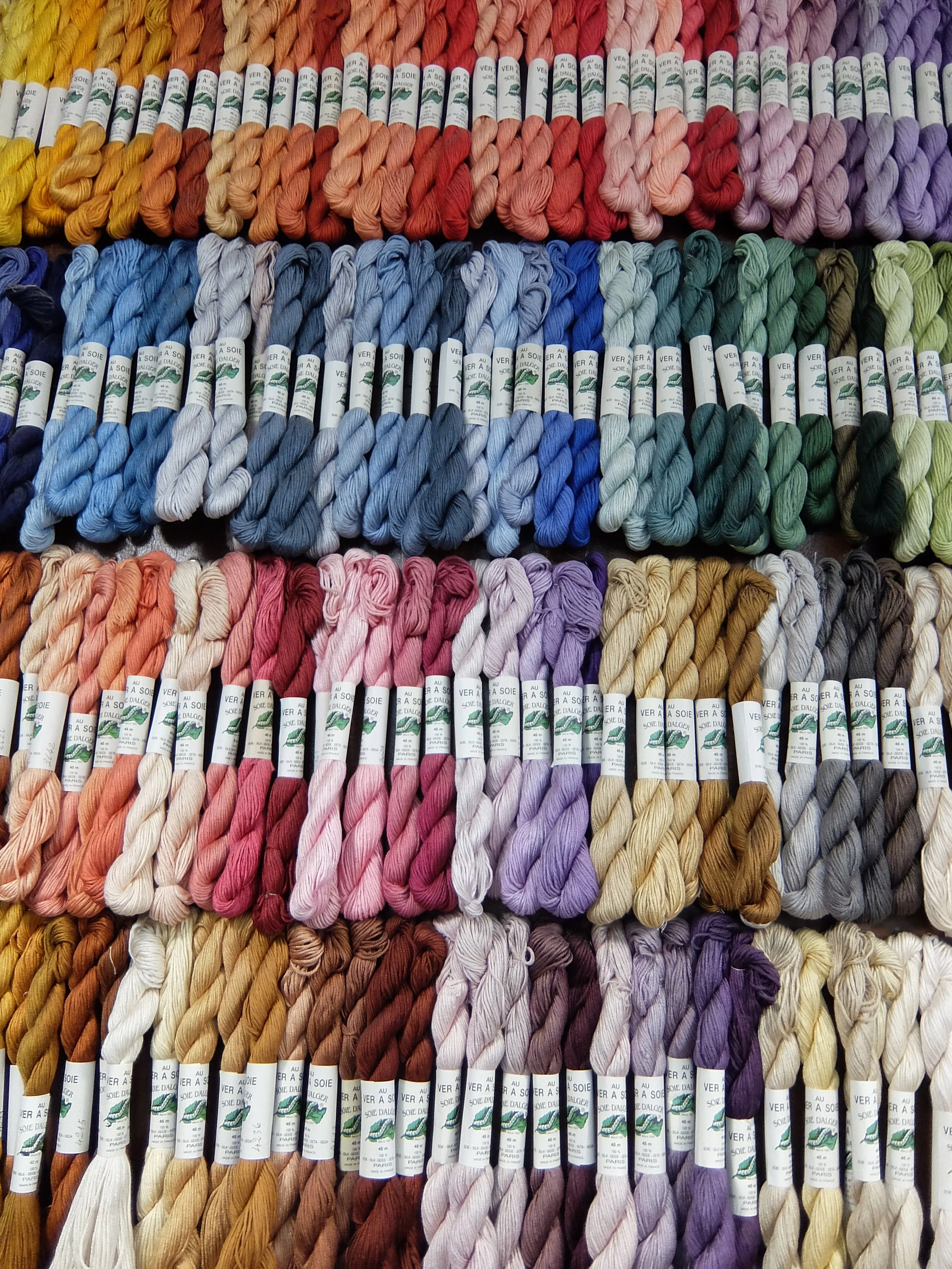
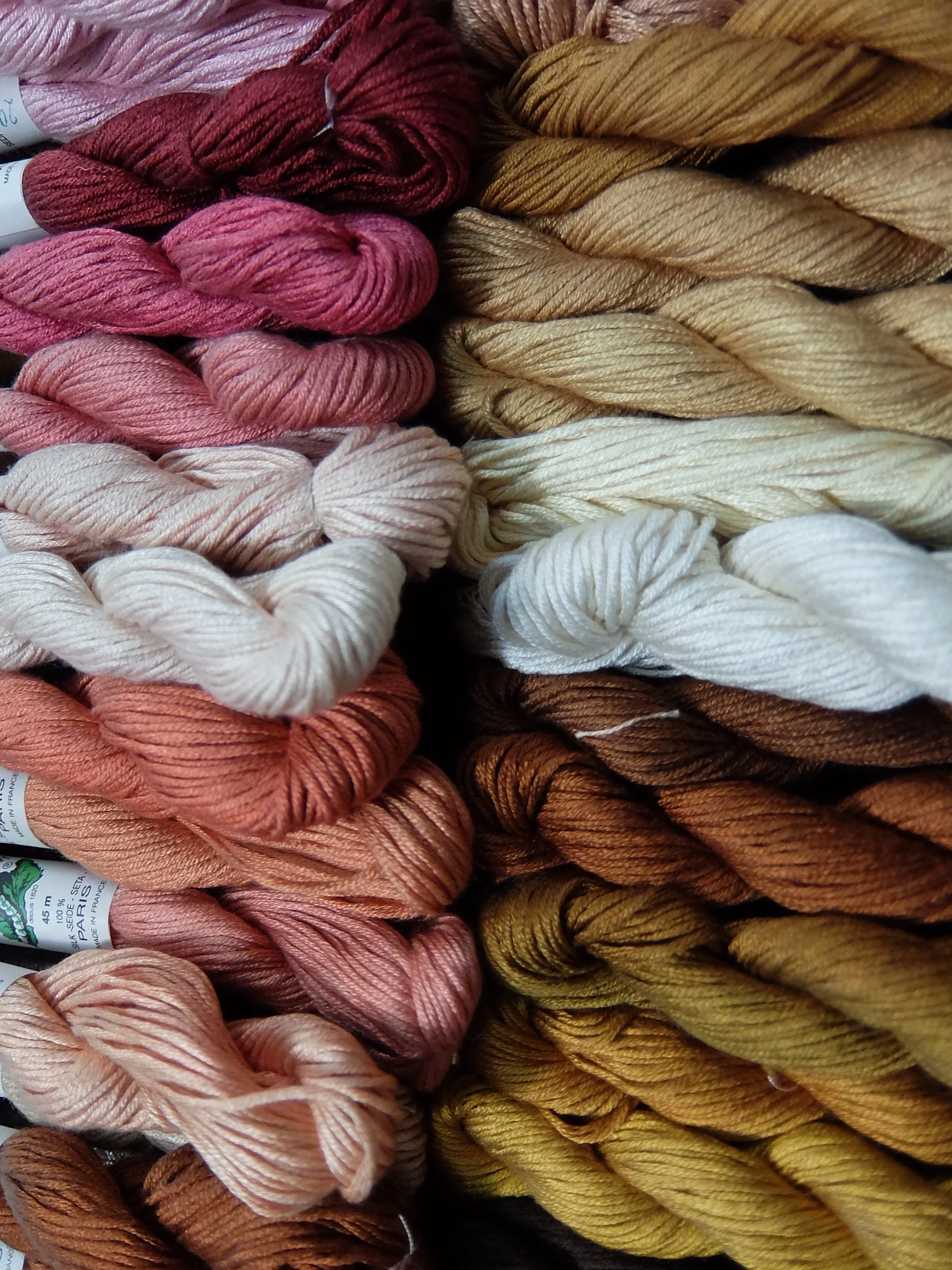
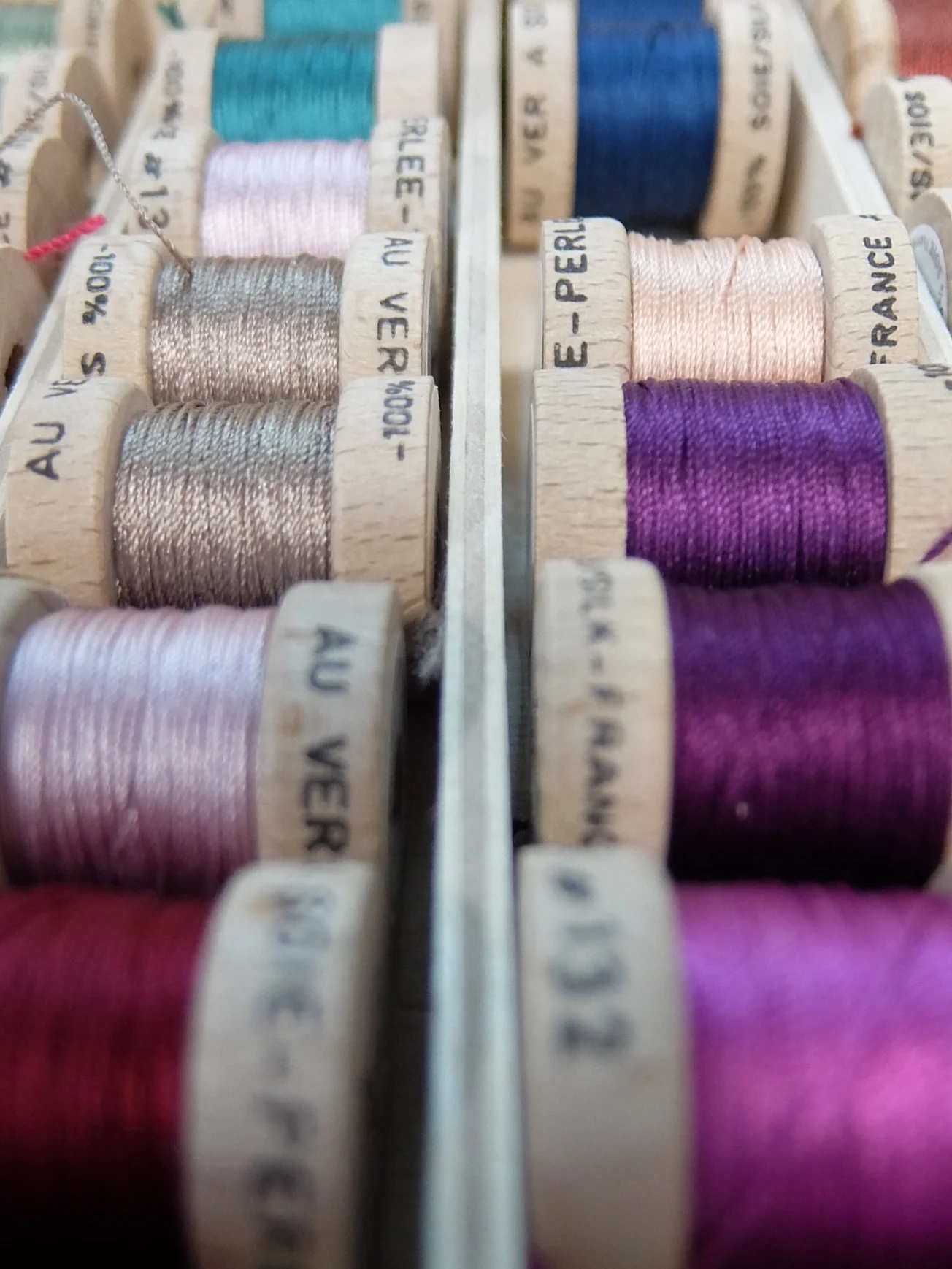
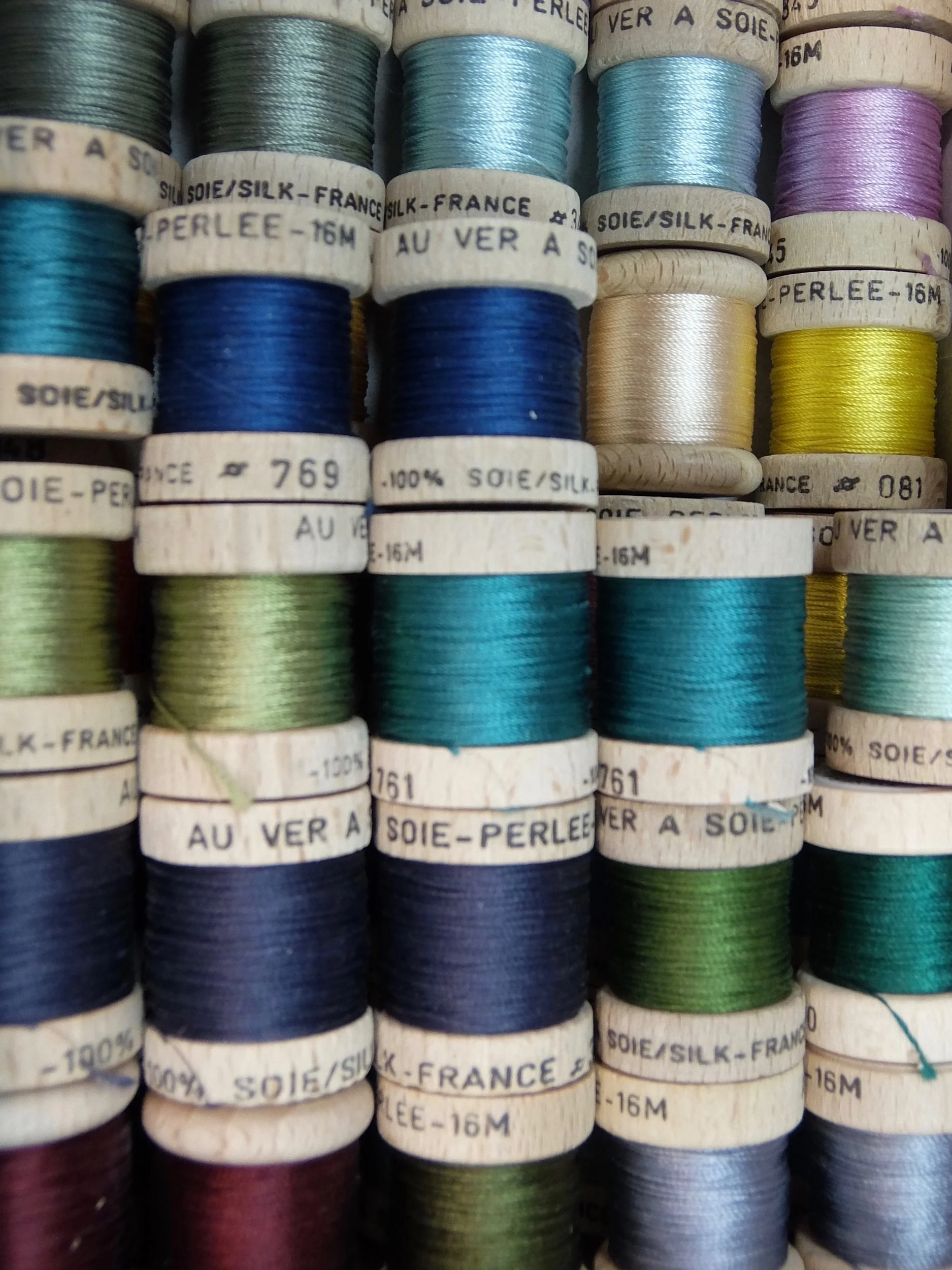
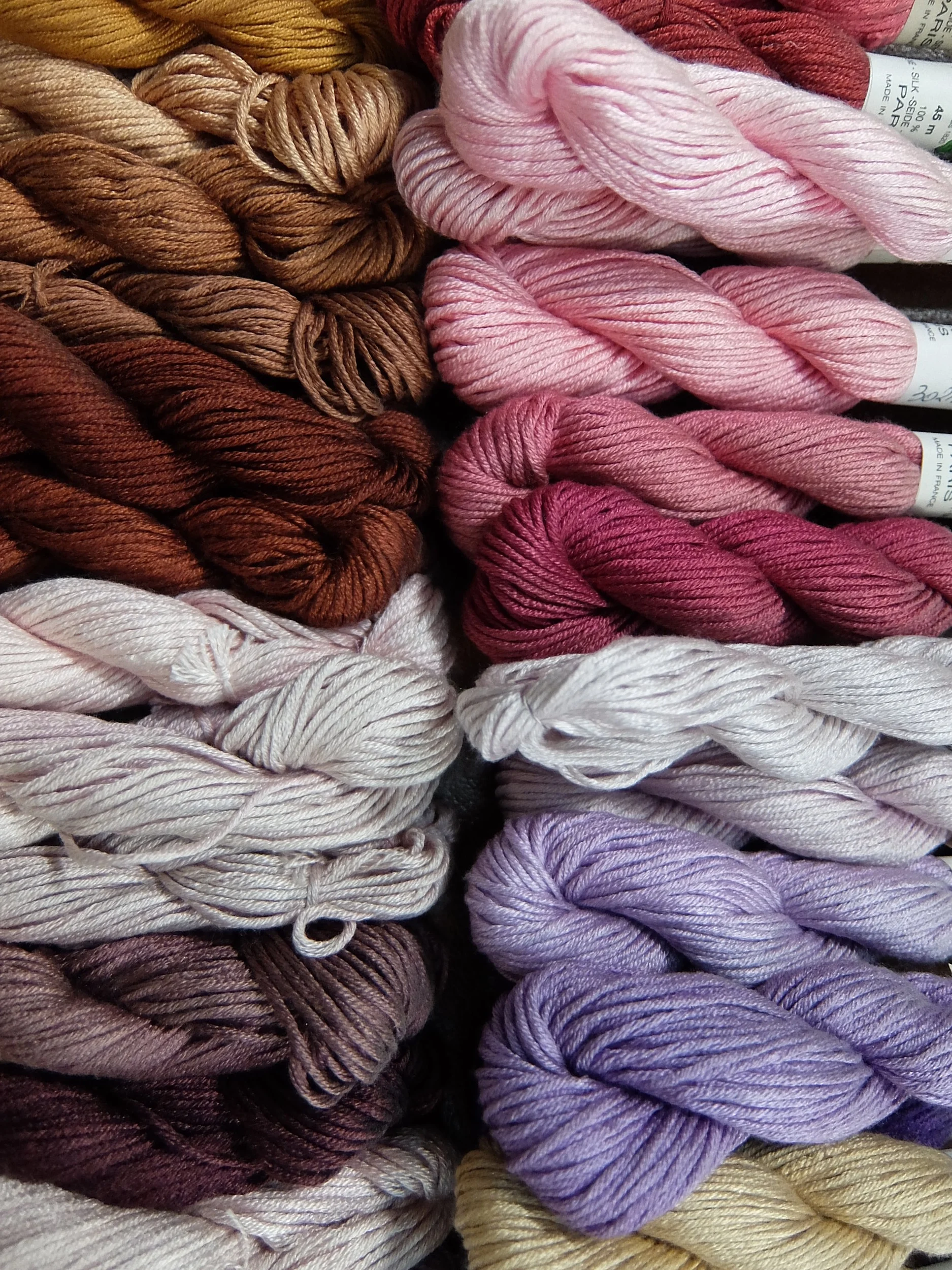
The legacy and prestige of Au Ver à Soie has remained in the Boucher family and today it is managed by Madame Nathalie Boucher, great-granddaughter of Monsieur Louis Boucher. The family business has thrived despite two World Wars and the invention of synthetic fibres such as nylon, polyester and rayon. They have constantly improved and innovated their product range, creating silk metallic threads, silk chenille threads, silk cord, silk tapestry yarn and silk knitting yarns. Their ranges offer various thickness of thread, from two-strand to seven-strand and varying degrees of lustre from gloriously pearlescent to matt. There is even an Au Ver à Soie hand-cream for use with their silken fibres, which is a brilliant idea as the fine filaments can stick to your hands when you are working a lot.
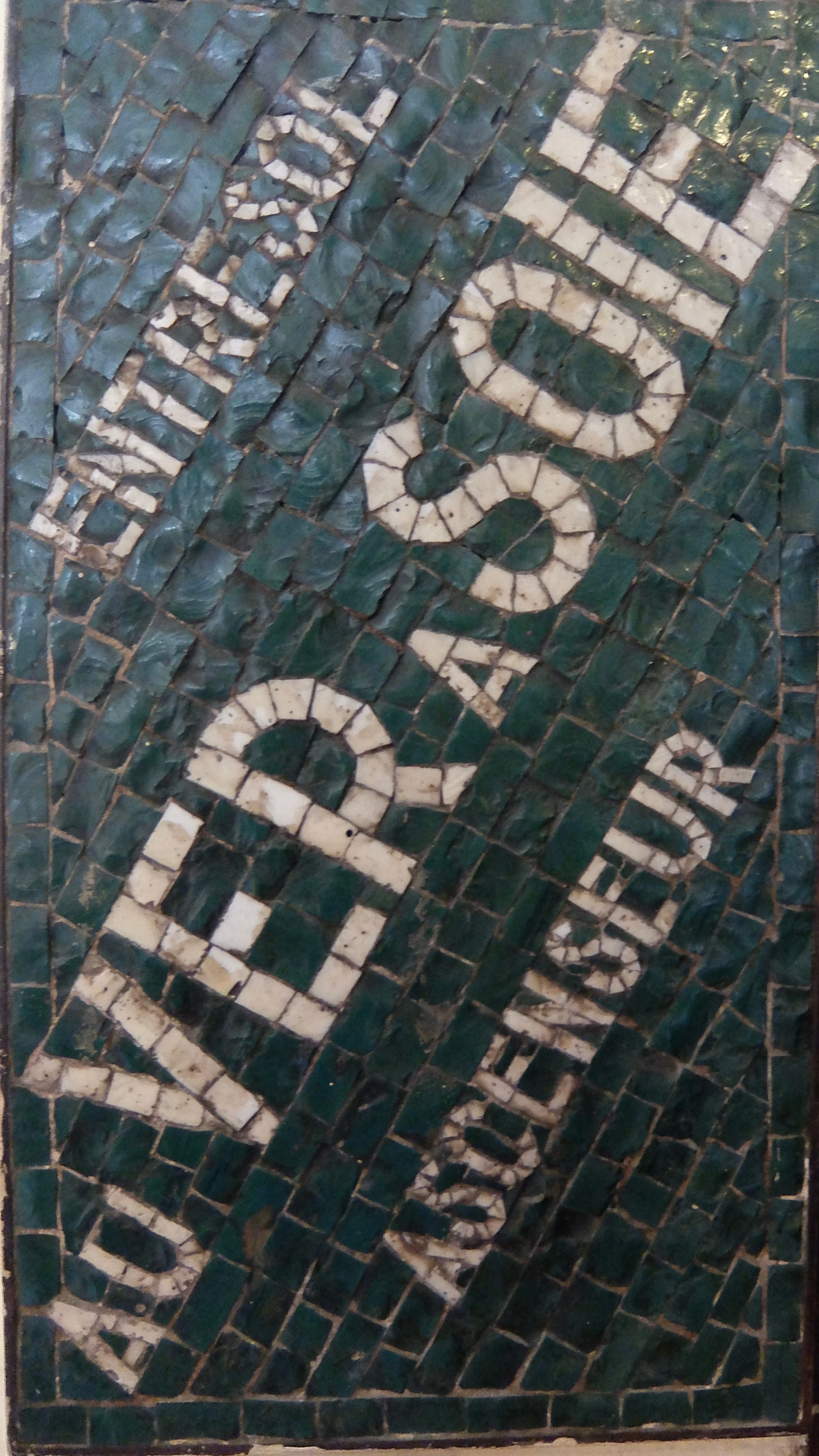
A testament to their quality, savoir-faire and creative passion Au Ver à Soie silk threads are still used by todays Haute Couture designers; Lacroix, Lanvin, Dior, Nina Ricci, Chanel, Yves Saint Laurent and Givenchy. Hermès scarves are exclusively hand-sewn with Au Ver à Soie silk thread, anything else would damage the delicate silk fabric! They also supply the celebrated Haute Couture embroidery ateliers such as Maison Hurel, Maison Lesage and Montex. And when the textiles at Versailles, Fontainbleu or the Louvre are being painstakingly restored it is with Au Ver à Soie silk threads. In 1988, UNESCO began Silk Roads: Dialogue, Diversity and Development an international project researching the role of the Silk Road in the diffusion, exchange and heritage of language, religion and culture across Europe, Asia and Africa. UNESCO appointed Monsieur Jean-Jacques Boucher as an expert on silk in 1991, a further acknowledgment of the inextricably linked heritage of the Boucher family and silk threads.
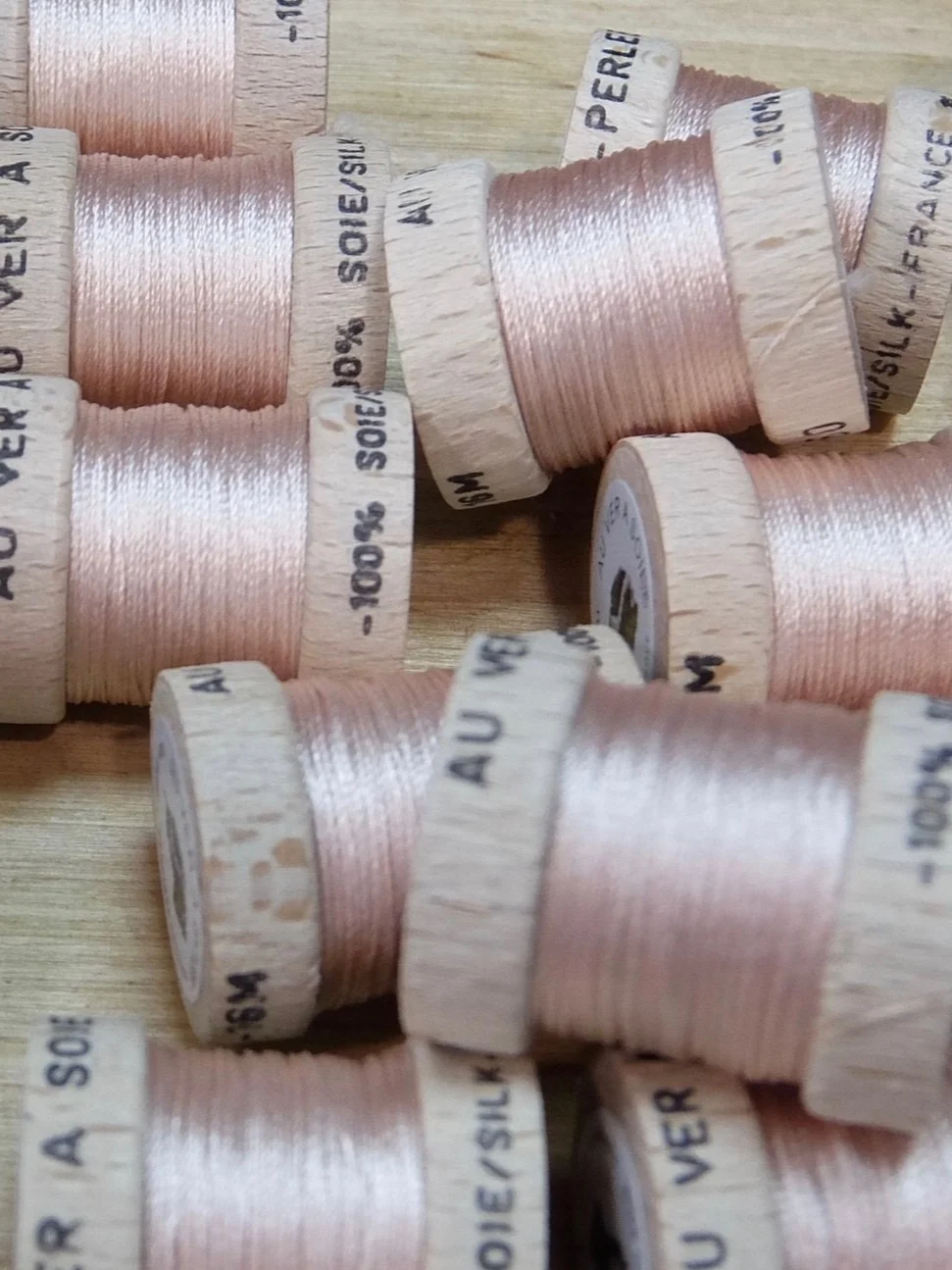
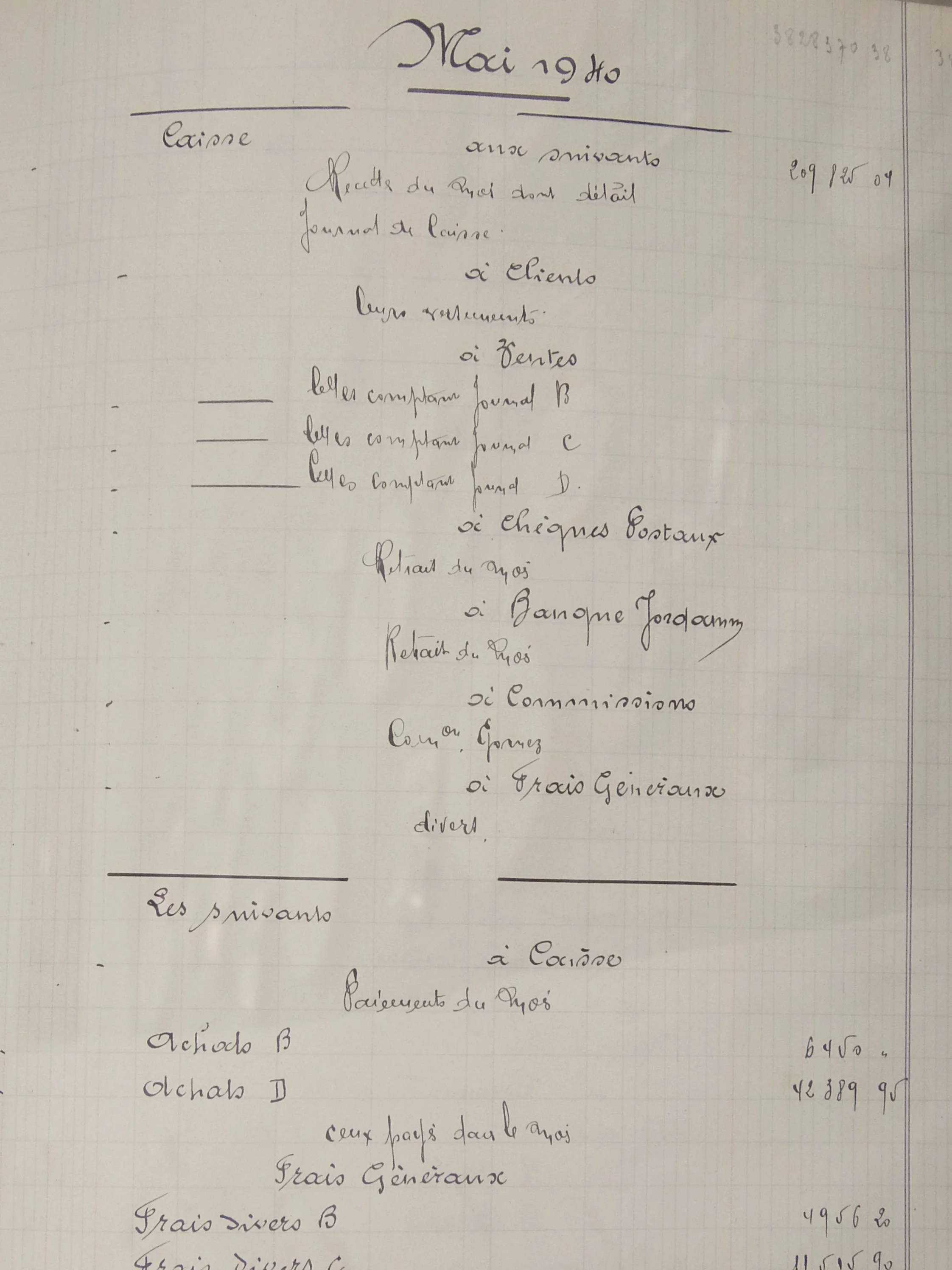
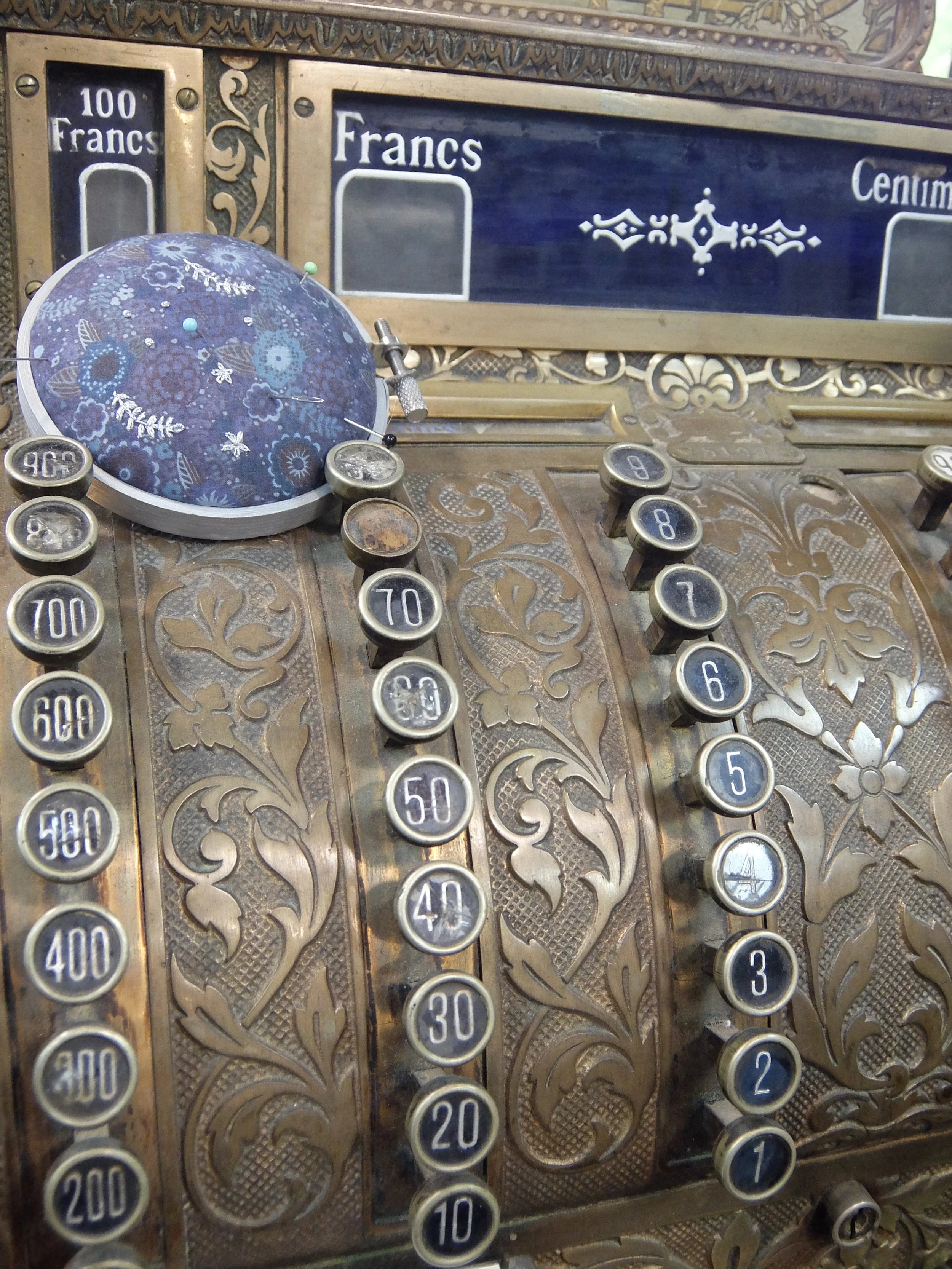
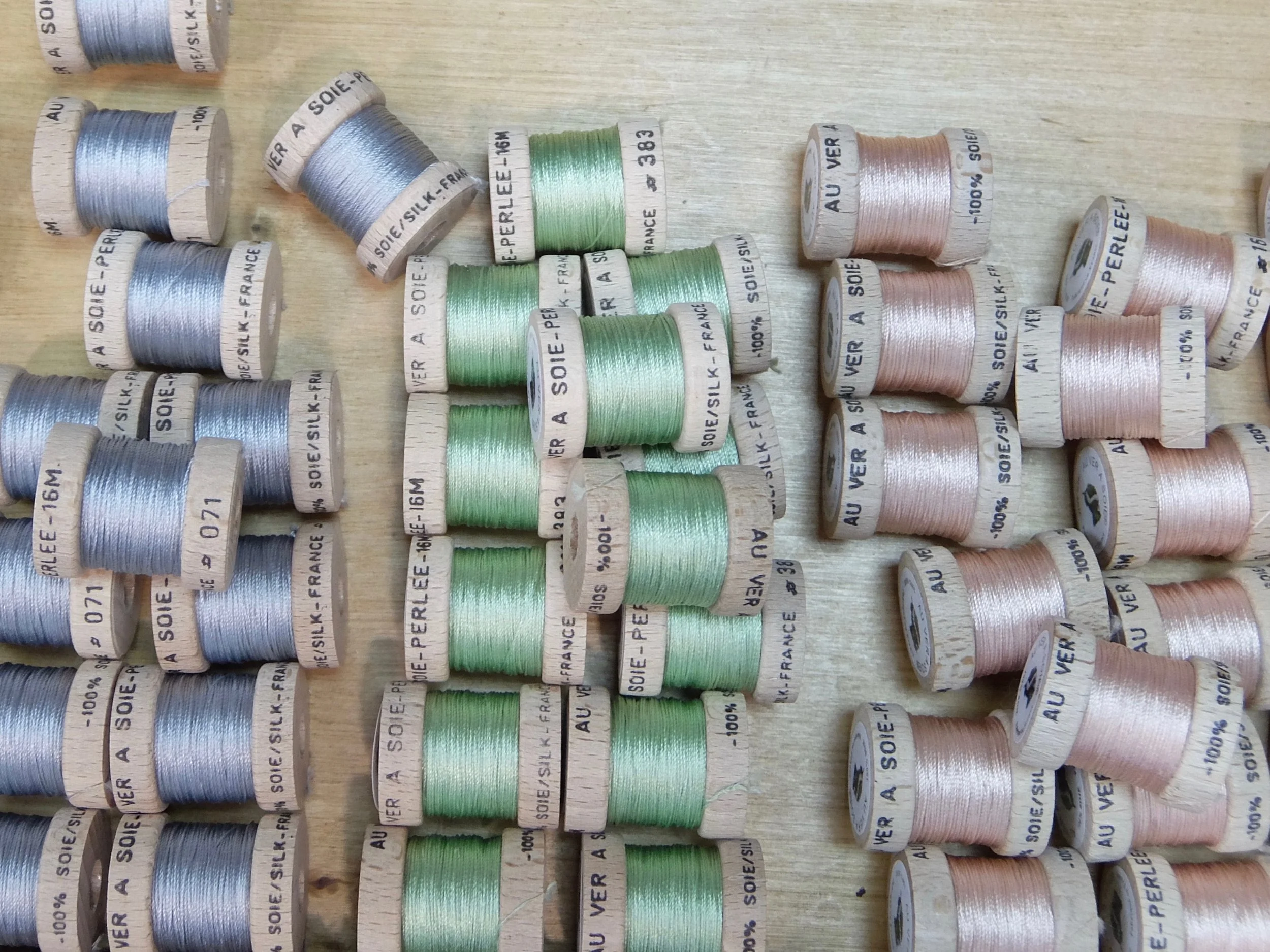
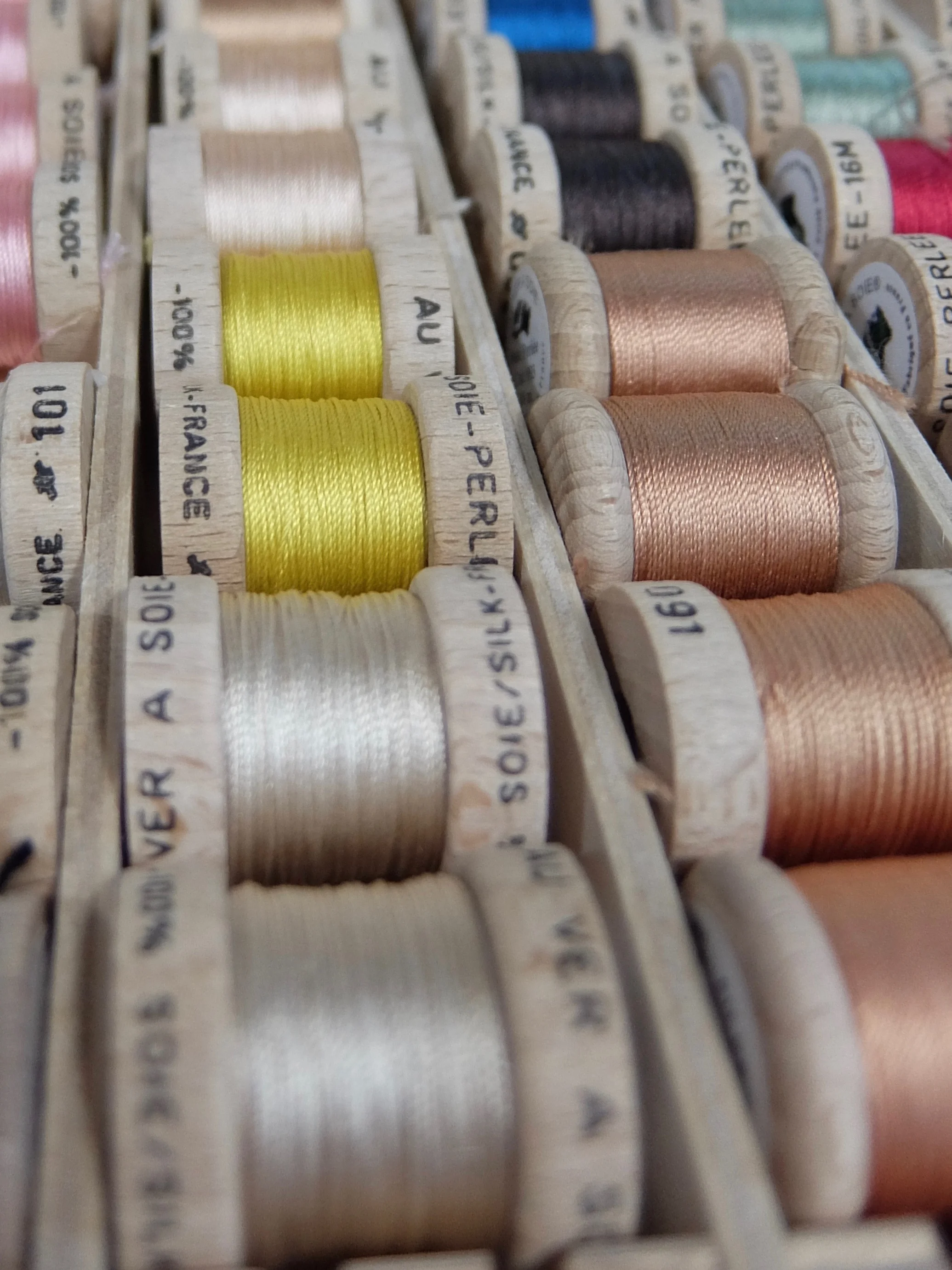
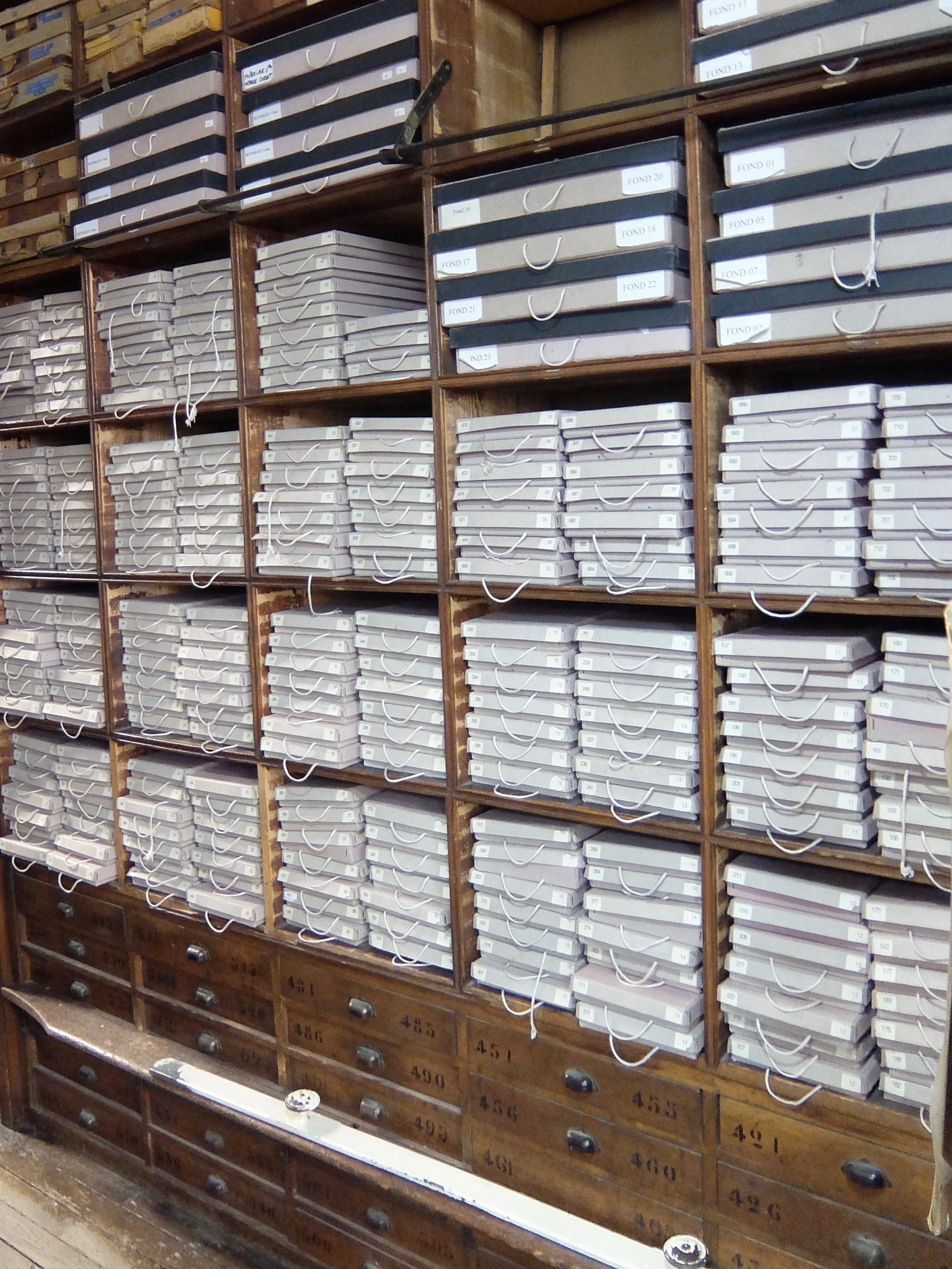
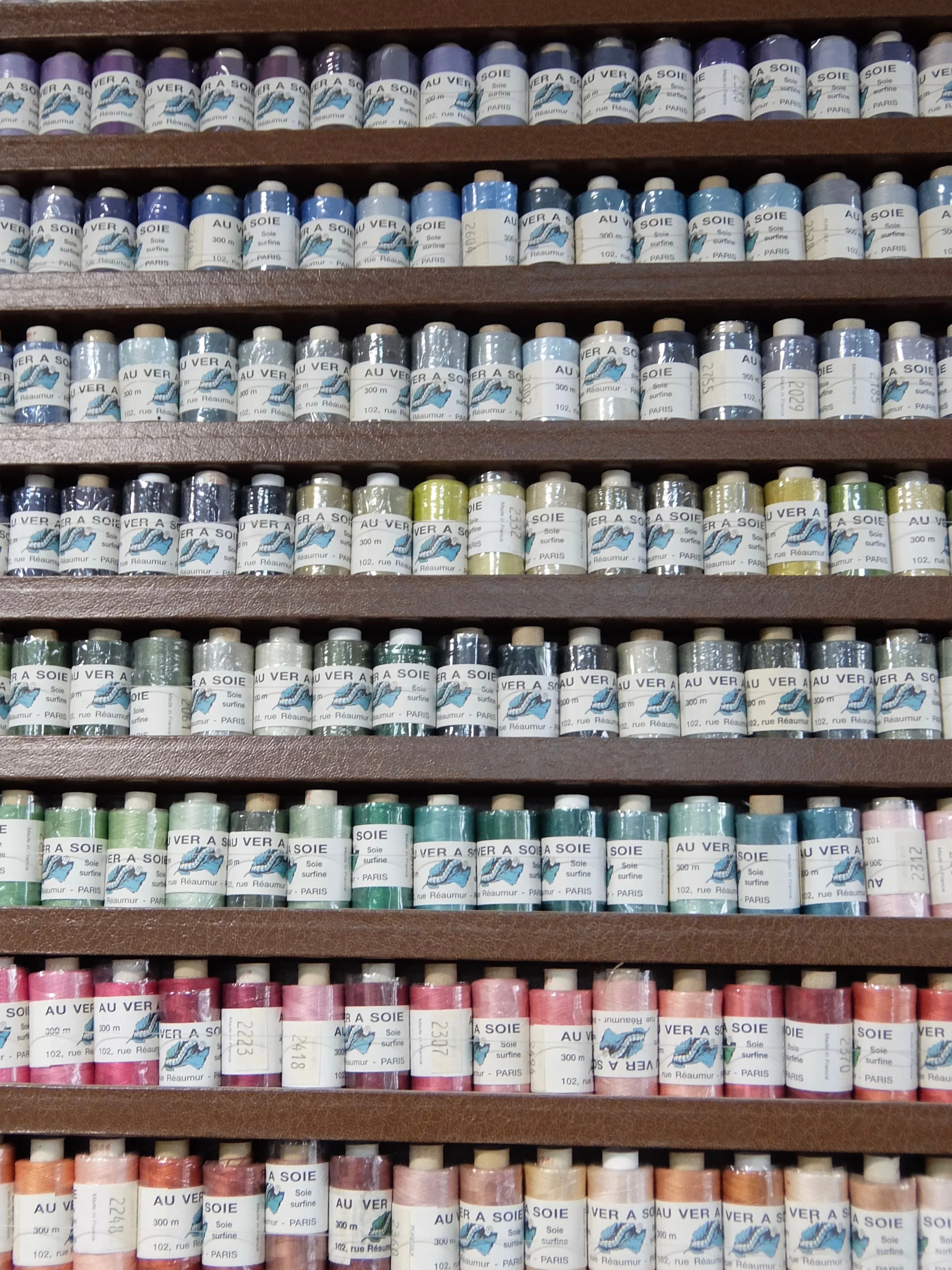
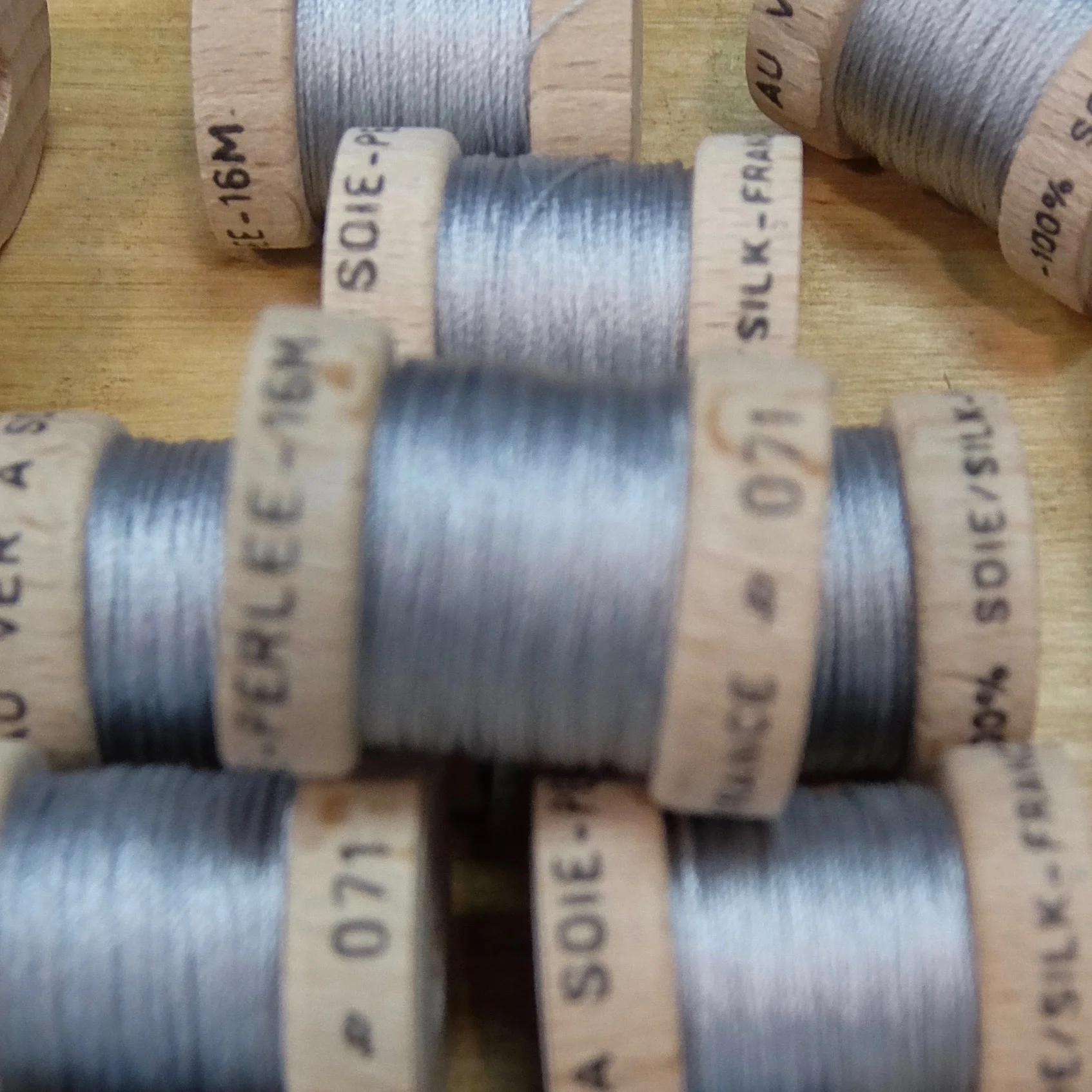
Au Ver à Soie threads are available to purchase at Ultramod and their wholesale office is located on Rue Réamur where they also run embroidery classes and workshops. The office is full of charm, with well-worn parquet floorboards, an antique cash register, cabinets filled with memorabilia and display cases of lustrous silk threads wound on wooden spools. The quality of the threads defies description, they are just beautiful to look at and they feel almost ethereal to the touch. The first time I worked with Au Ver à Soie threads I felt incredulous, my stitches were imbued with the secrets of a Chinese Empress and the savoir-faire of French artisans. And like a little silkworm the threads metamorphosed and left behind an embroidered trail of luxury and legacy.
Au Ver à Soie is usually open exclusively for industry professionals but if you would like to have the opportunity to visit the boutique you are welcome to join me on a guided tour of the haberdasheries of Paris. For more details please visit Textile Tours of Paris.
Further Reading
Au Ver à Soie
http://www.auverasoie.com
The UNESCO Silk Roads Project
https://en.unesco.org/silkroad/unesco-silk-roads-project
