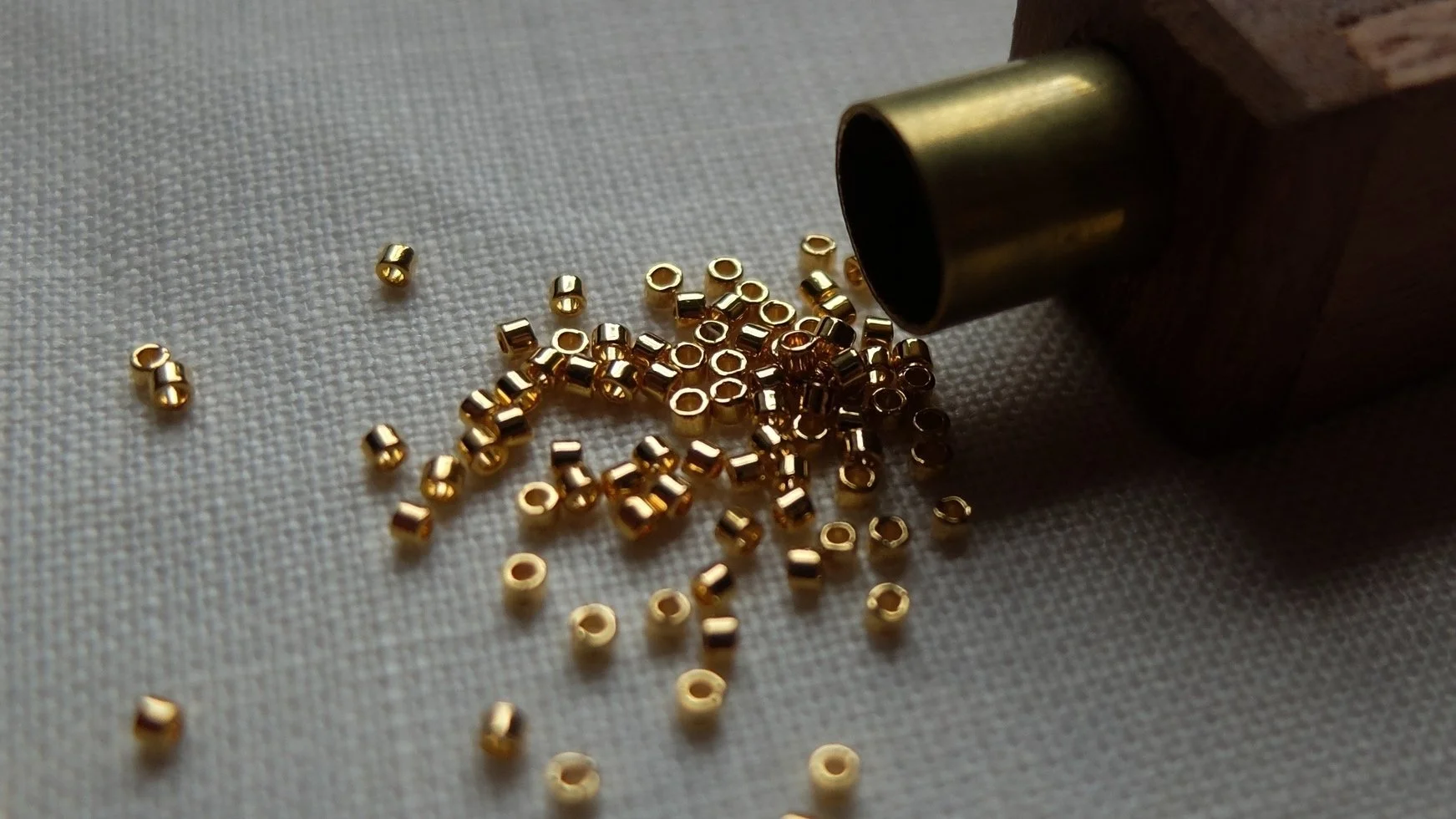
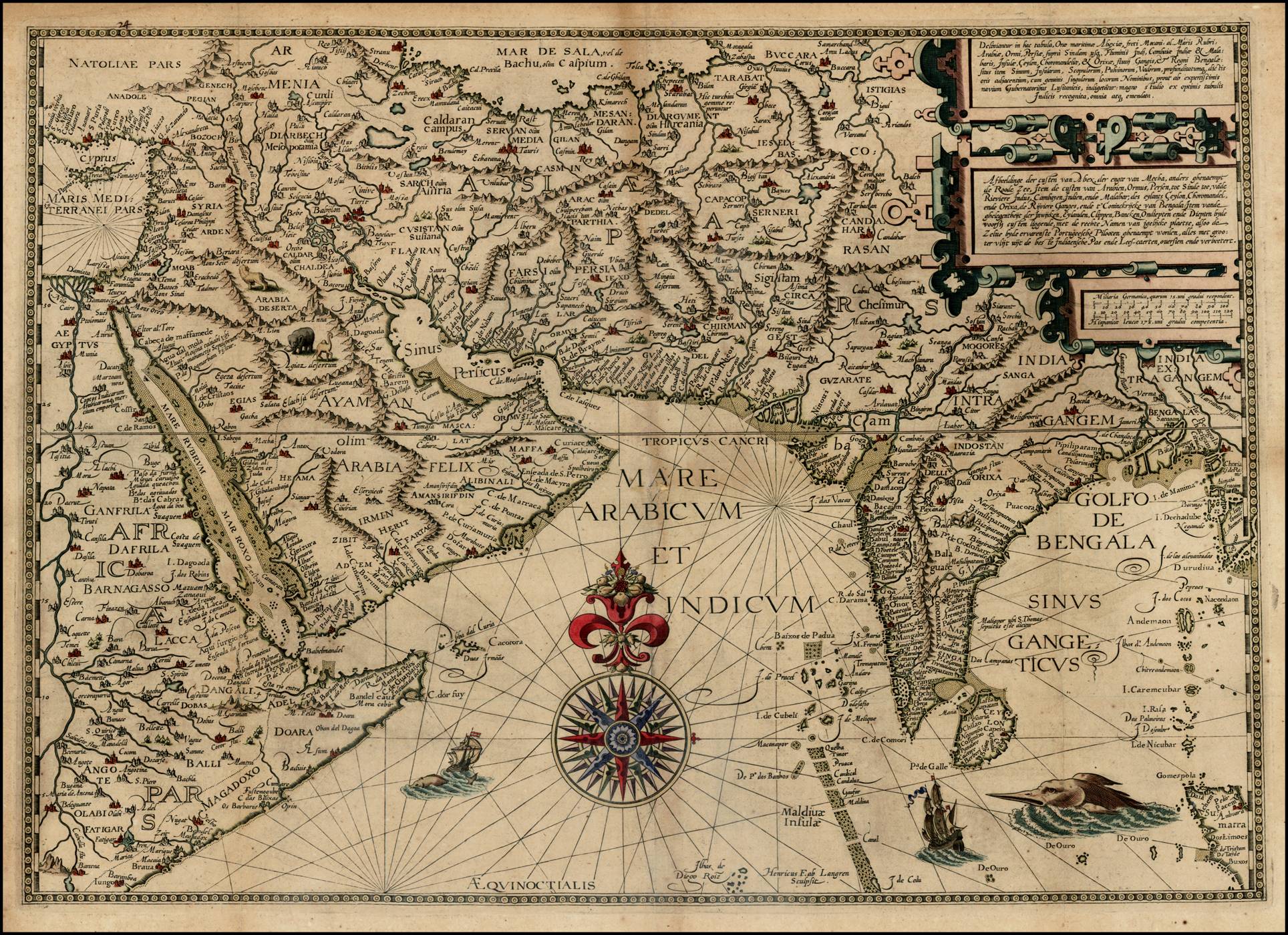
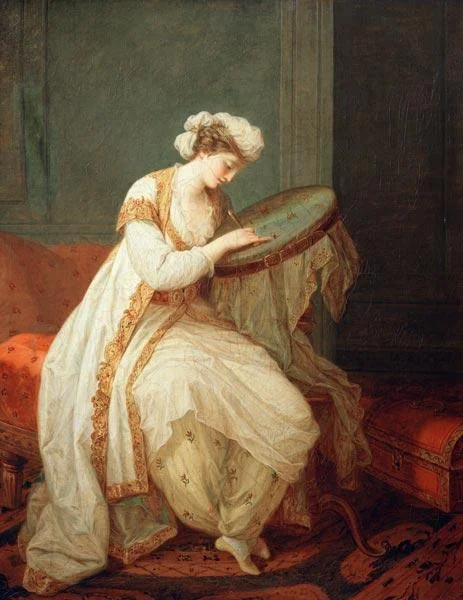
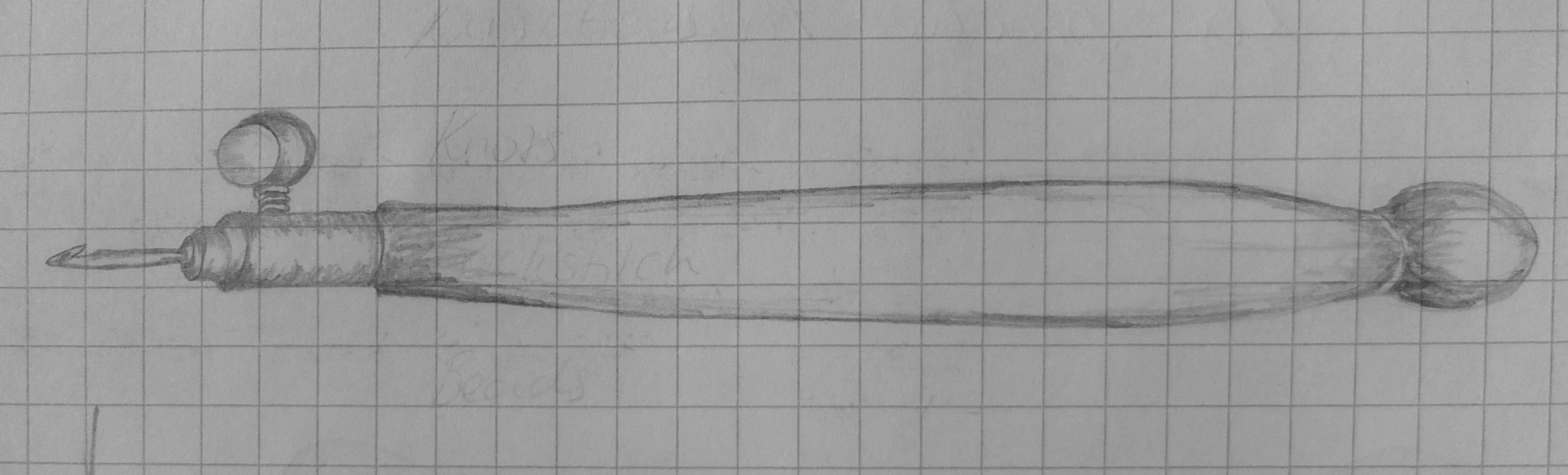
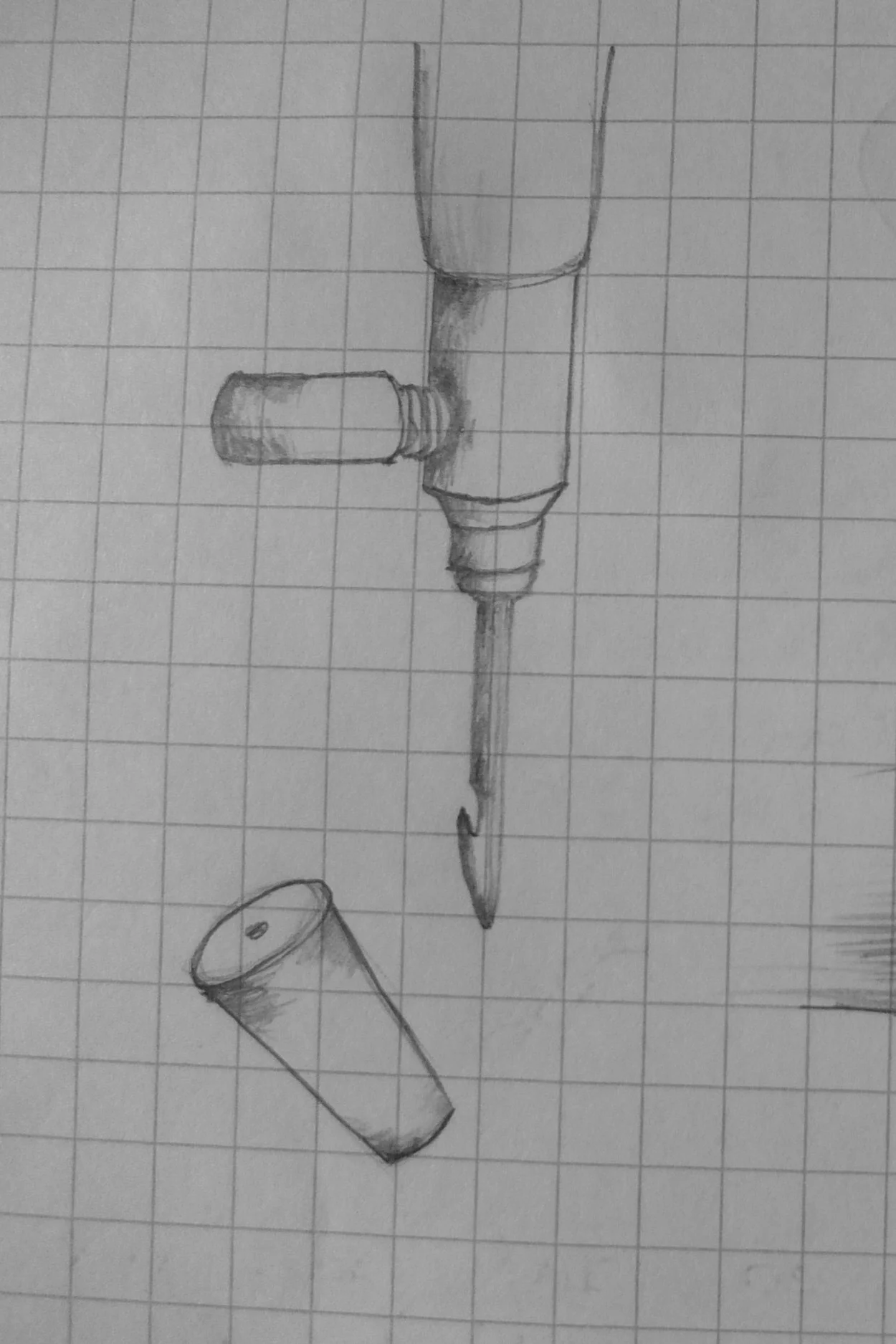
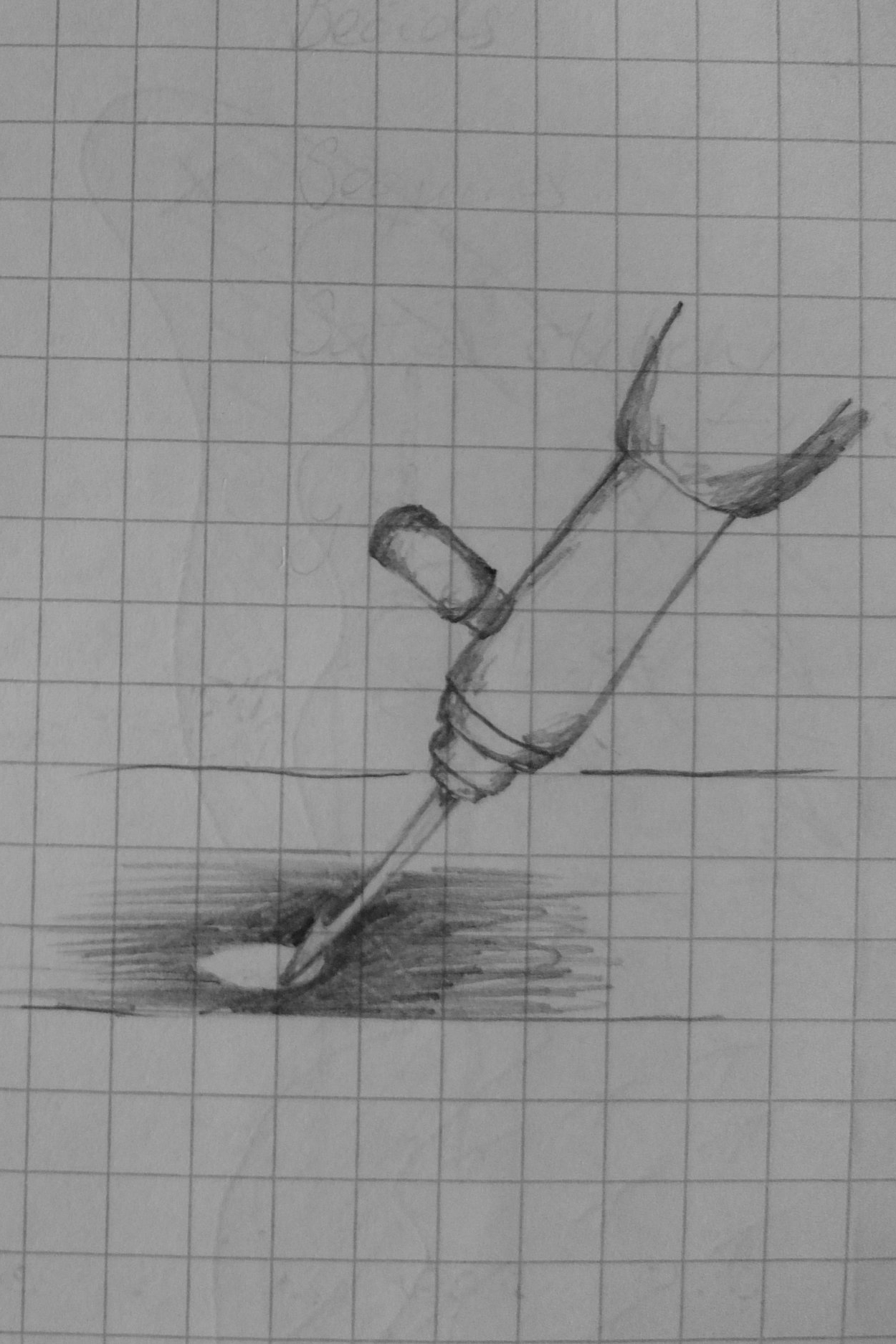
The technique of tambour embroidery is thought to have originated in India long ago with Ari work. Ari means hook in Hindu and the technique involves creating a chain stitch using a long thin tool with a hook at the end and a wooden handle. Ari embroidery travelled from Brabanki in Uttar Paradesh to Kutch in Gujarat where cobblers first applied the technique to leather and then to cloth. The cobblers created ornate patterns with floral and wildlife motifs that were favoured by the royalty of the Mughal Empire in the 16th century. Ari embroideries were exported to the Persian Gulf across the Middle East and eventually arrived in Europe in the 18th century where the technique would become known as Tambour Embroidery.
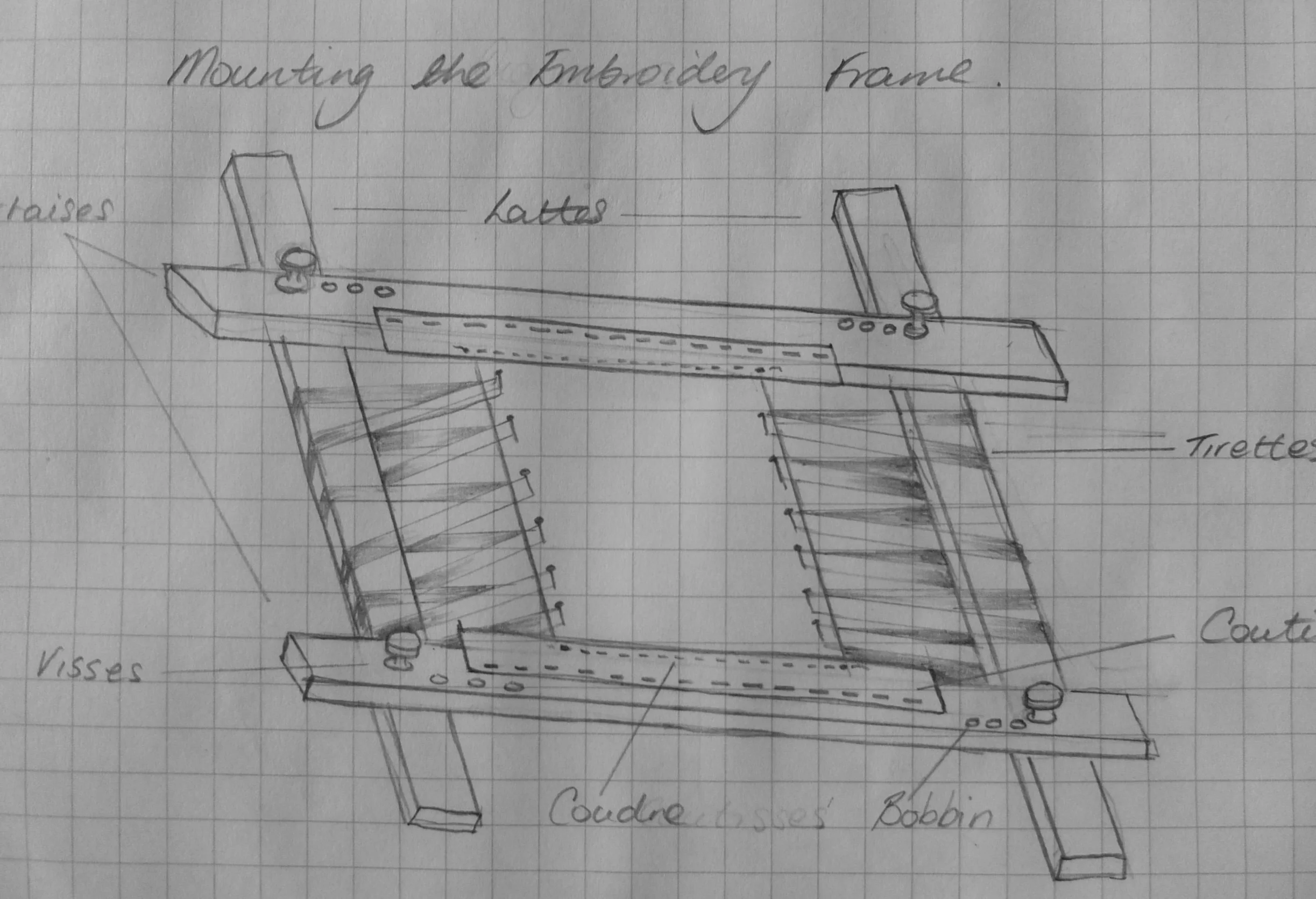
Tambour means drum in French and refers to the technique of stretching the ground fabric tightly across a frame to create the tension needed to embroider a regular chain stitch. The frame may be circular or rectangular. Tambour embroidery arrived in the French town of Lunéville in 1810, and was adopted by the ateliers due to the speed and efficiency of the technique. Beads and sequins were added to the repertoire in the late 19th century. The town of Lunéville became so famous for its exquisite embroideries that the technique is known as Lunéville Hook Embroidery in France.
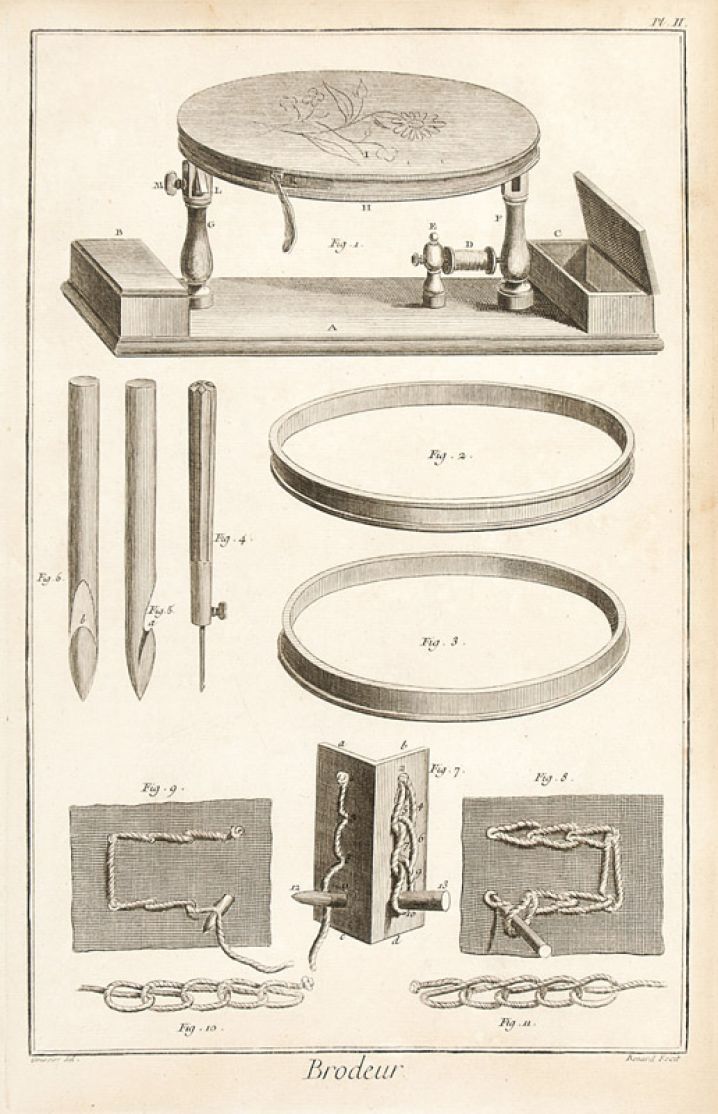
The Michonet Embroidery Atelier was established in 1858 and is renowned for having created the sumptuous embroidered embellishments for the gowns of Charles Frederick Worth, Jeanne Paquin and Madeline Vionnet. When Albert and Marie-Louise Lesage bought the atelier in 1924, they introduced the Lunéville Hook technique to answer the insatiable appetite for beaded fashions during Les Années Folles in Paris and beyond. The Lunéville Hook technique is still used by the Haute Couture embroidery ateliers in Paris today and is taught at École Lesage using the same tools and techniques brought from India long ago.
Textile Tours of Paris
Join Rebecca on a tour of Paris’ charming haberdasheries nestled deep in the winding streets of Le Sentier, the city’s historic textile and fashion district. Enjoy a Sunday morning with Rebecca on a Flea Market Tour as she guides you through the labyrinth alleys of Paris’ oldest marché-aux-puces to uncover hidden treasure troves filled with vintage lace, linen, passementerie, golden threads and gossamer lingerie. To find out more visit Textile Tours of Paris.
Recommended Reading
Haute Couture Embroidery: The Art of Lesage, Palmer White
La Broderie de Lunéville, Mick Fouriscot and Roland Gravelier
